
Between Reincarnation and Reality: Visualizing Modern Japan Through Isekai Logic
This music video operates at the intersection of pop energy, social critique, and genre-driven storytelling. Drawing from the massively popular Japanese manga trope of Isekai Reincarnation, the film translates escapist fantasy into live action—while grounding it firmly in the emotional realities of contemporary Japan.
Below, Yutaka Ura aka Director Spacy Goody breaks down the production, creative decisions, and the cultural undercurrents shaping the work.

A Small Team, a Narrow Window, and Perfect Timing
Spacy Goody:
This project was produced by a small team centered on the director, director of photography, and producer.
To depict “Isekai Reincarnation,” a massively popular manga genre in Japan, we aimed to create visual dissonance by shooting during a 30-minute magic hour window. The night location, limited to only 90 minutes of availability, required producer Naota to schedule every moment with precision. In an unforgettable incident near the end of filming, he sprinted to buy freshly made sushi for the final scene—with only five minutes left on the clock—arriving just in time for the shot.
Working within extreme time constraints became part of the film’s DNA, embedding urgency directly into the production process.
A One-Day Shoot Born From a Shared Vision
Filming took place in a single day.
When I first heard the track, a world combining a “foreign perspective of Japan”—something between Kill Bill and a Takeshi Kitano film—with contemporary Japanese culture immediately came to mind. After discussing this with the label and discovering that we shared the same vision, the project moved into production seamlessly.
The alignment between artist, director, and label allowed the project to move quickly—trust replacing friction.
Translating Reincarnation Into Live Action
Our greatest challenge was how to portray “reincarnation into another world” in live action.
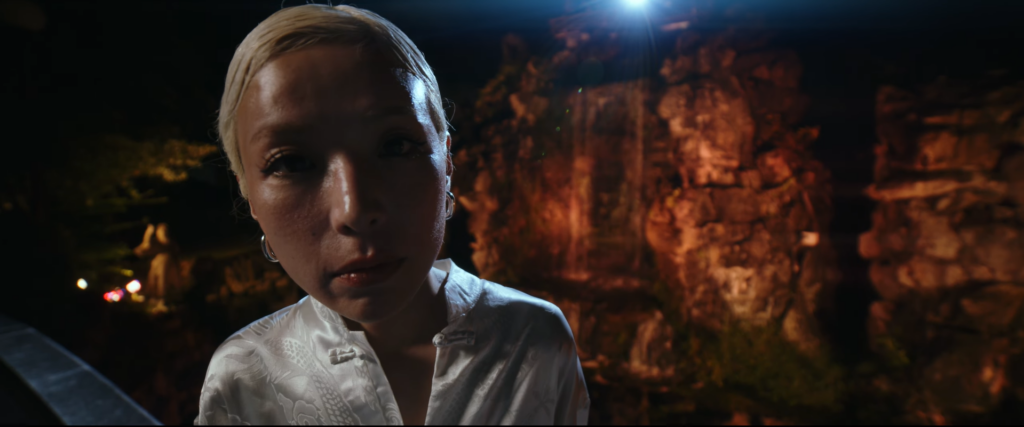
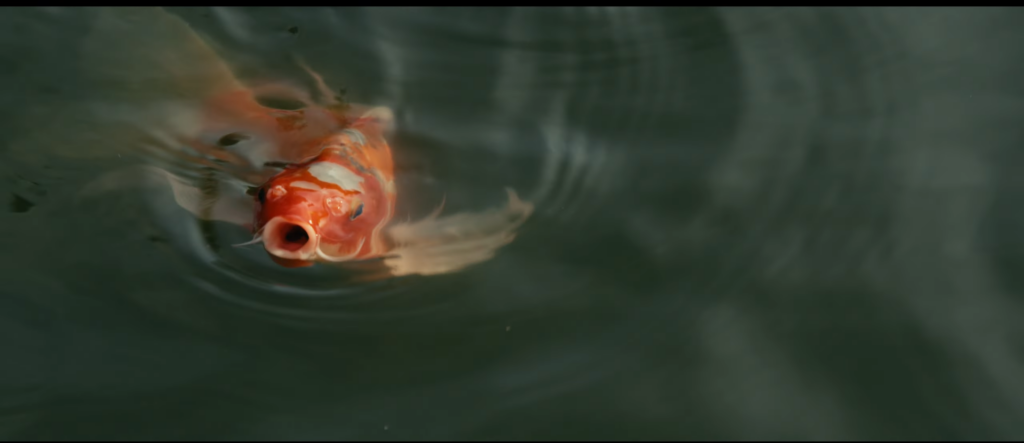
During research, we found a historical Okinawan site influenced by Chinese architecture. At night, its permanent lighting created uncanny, fantastical colors—an accidental effect that became the perfect visual foundation for the reincarnated world.
We also struggled to define the “trigger” for reincarnation. I recalled a mechanic from my childhood game Dragon Quest, where stepping on a staircase transports the player to another world. We incorporated this interpretation into the film.
Here, accidental visual discovery and childhood gaming logic converge to form the film’s narrative mechanics.

Moments That Define the Film
We asked about their favourite moment;
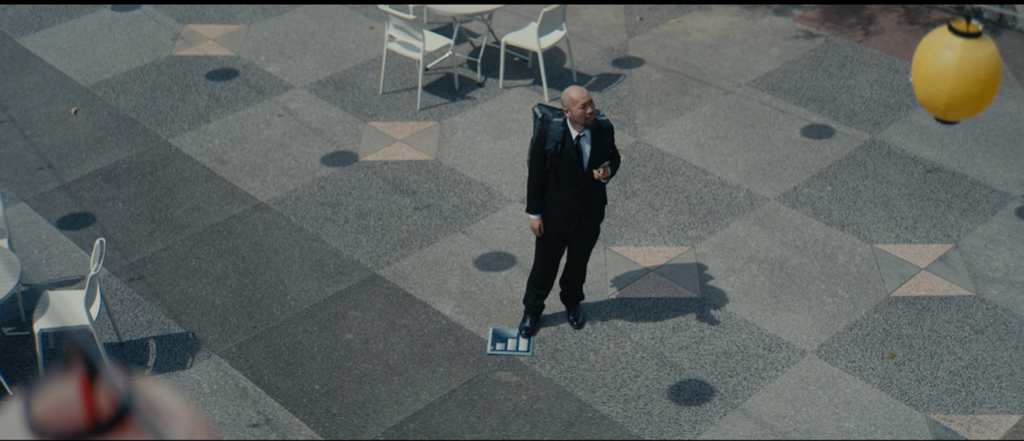
Two moments stand out: when the chorus phrase “a sushi feast via Uber” is fulfilled beautifully in the final scene, and when the protagonist panics after realizing his phone has no reception in the reincarnated world.
These scenes balance humor, irony, and emotional dislocation—mirroring the film’s larger themes.
The Invisible Aggressor and Escapist Fantasy
Spacy Goody shared:
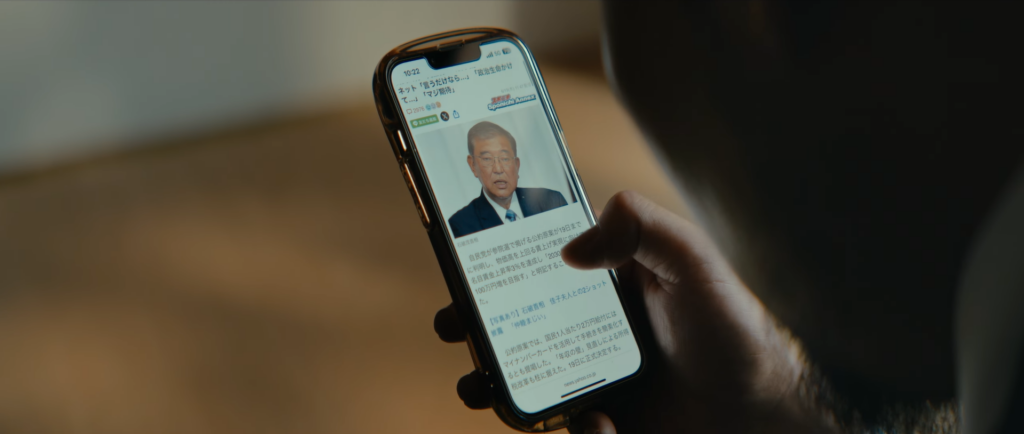
In Japan, malicious anonymous commenters on news platforms, known as “Yahoo Commenters,” have become a serious social issue. Because they attack from behind anonymity, their presence is completely invisible in daily life. Anyone—strangers, polite acquaintances, even kind friends—might be writing harmful comments behind the scenes. This “invisible aggressor” aspect is precisely what makes the issue so deeply rooted.
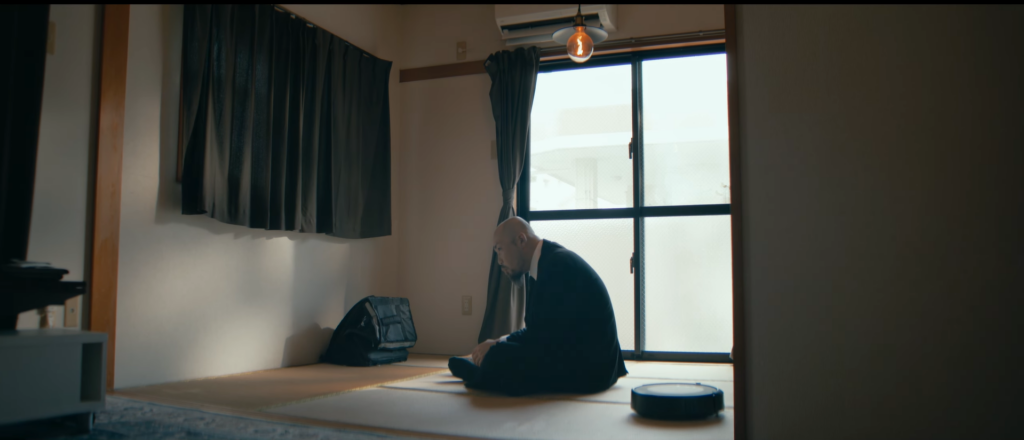
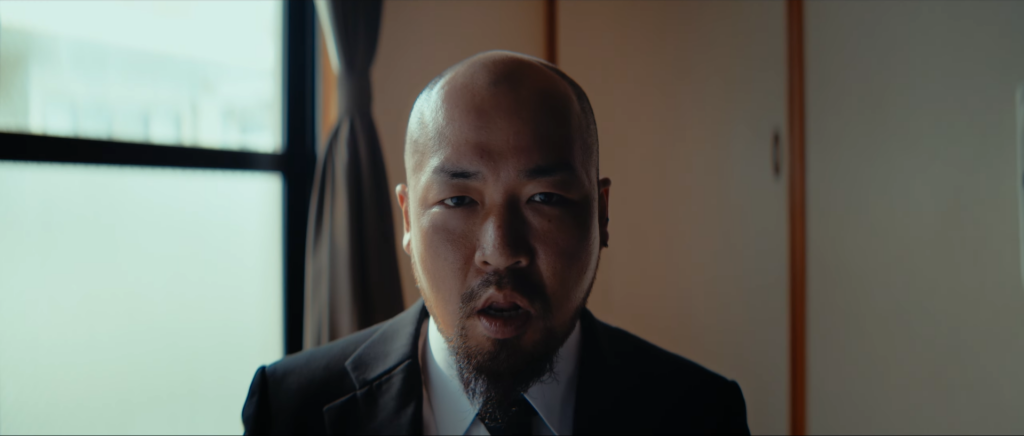
In this film, I sought to visualize that hidden presence through a protagonist who works as an Uber Eats courier yet wears a business suit to appear socially important. In reality, he holds little power, yet online anonymity allows him to behave like someone of higher status. His costume and actions symbolize this distorted dual structure. He embodies the contradiction prevalent in modern Japan: weak in reality, powerful only on the internet.
At the same time, the explosive popularity of Isekai Reincarnation stories in Japan—where socially powerless characters die and are reborn as strong heroes—reflects a psychological desire to escape the hardships of real life. These repeated narratives demonstrate how many people quietly feel worn down by reality.
By merging these two phenomena—anonymous hostility and escapist reincarnation—this film gently invites viewers to notice the emotional landscape of contemporary Japan: people tired of real life, seeking refuge in anonymity or another world. This contrast is the hidden message beneath the upbeat, energetic song.
Rather than offering judgment, the film observes—using genre as a mirror for collective fatigue, fantasy, and contradiction.
Watch the music video below.
CREDITS
Director : Spacy Goody https://www.instagram.com/spacygoody/
Producer : Naota Ahagon (ATENA Inc.) https://www.instagram.com/naota_ahagon/ Director of Photography : Yuto Mori https://www.instagram.com/rec_forest/
1st Assistant Camera : Gou Miyagi https://www.instagram.com/goo_miyagi/
2nd Assistant Camera : Tarutaru https://www.instagram.com/___tarutarujp/
Lighting Director : Motomu Chinen (AND Okinawa) https://www.instagram.com/chinenmotomu_andoki/
Lighting Assistant : Sora Uchiyama (AND Okinawa)https://www.instagram.com/bigsky.uchi/
Title Design : TSUBAME https://www.instagram.com/tsubame_s2/
Prop Assistant : fumi-fumi, Ryosuke Hino https://www.instagram.com/fumi038/
Production Assistant : Tarutaru Colorist : Spacy Goody
Editor : Spacy Goody Location : FUKUSHUEN, FUKUSHUEN Garden Cafe Bar, Ura’s House