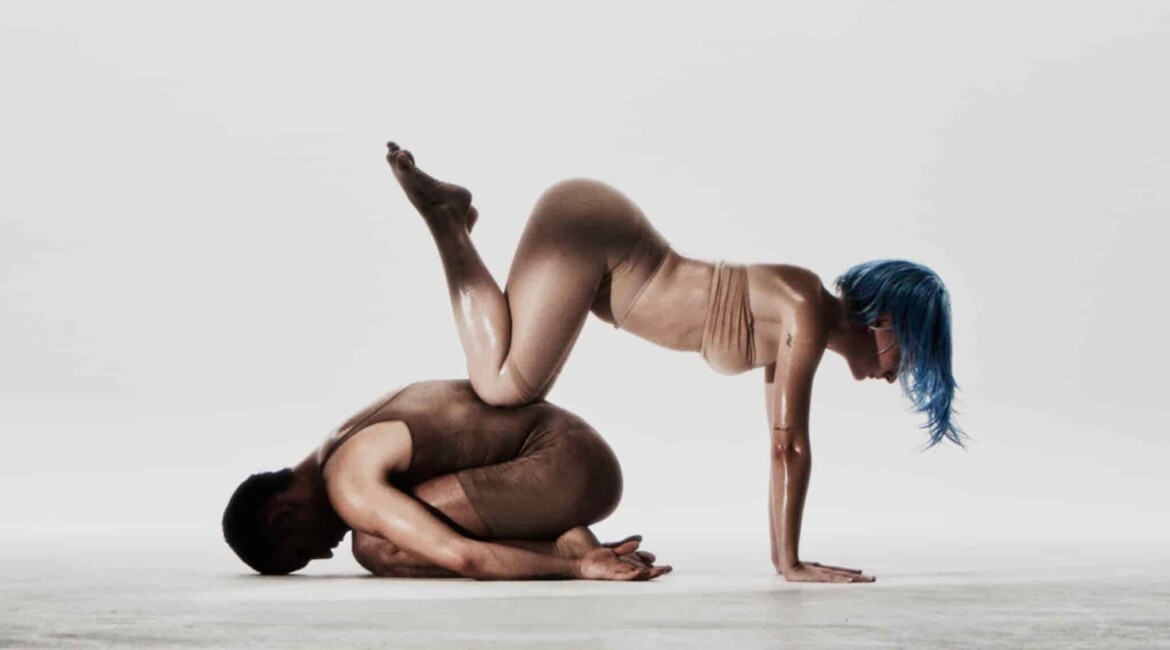
Built at the intersection of choreography, digital manipulation, and tactile visual design, Losing Control translates sound into movement and material. Directed by Roso, the project brings together dance, VFX, and AI-driven post-production to construct a tightly synchronized cinematic language — one where bodies, rhythm, and texture operate as equal narrative forces.
Below, producer Anis Gabsi breaks down the making of the video, from collaborative roles and process to the technical challenges that shaped its final form.

A Multi-Disciplinary Creative Team
While the visual world of Losing Control feels singular and cohesive, it was the result of a broad collaboration across choreography, editing, and post-production.
How many people worked on your selected video? Who played a key role in it?
A total of twenty five people worked on this project. Roso, the director, was of course the key creative force. Beyond the vision and direction, she also handled the VFX work, rotoscoping, and the AI based transition design.
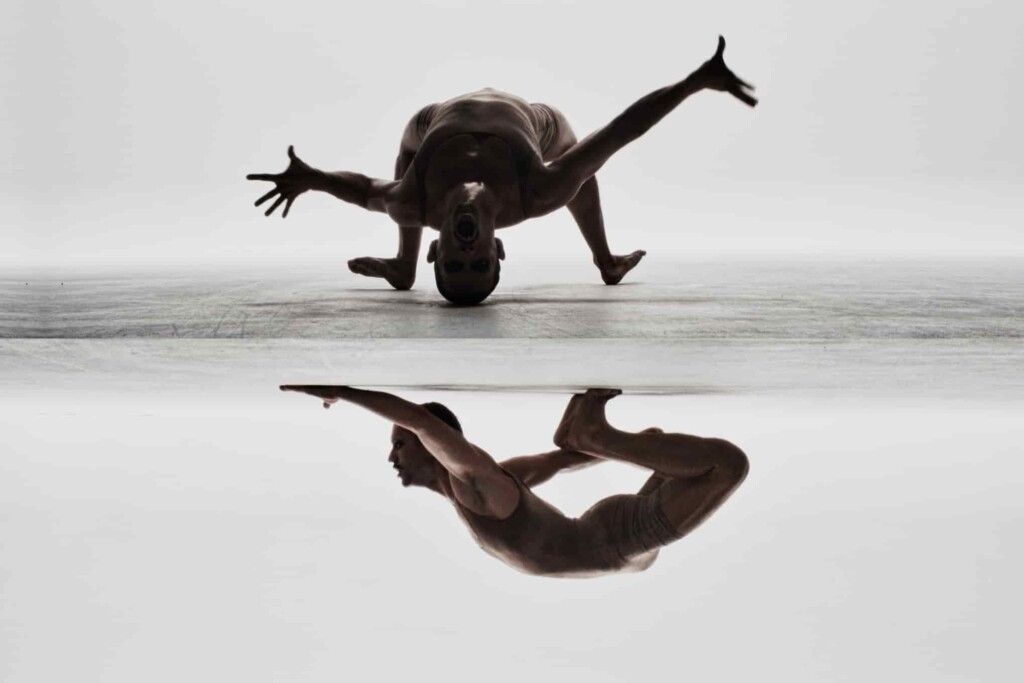
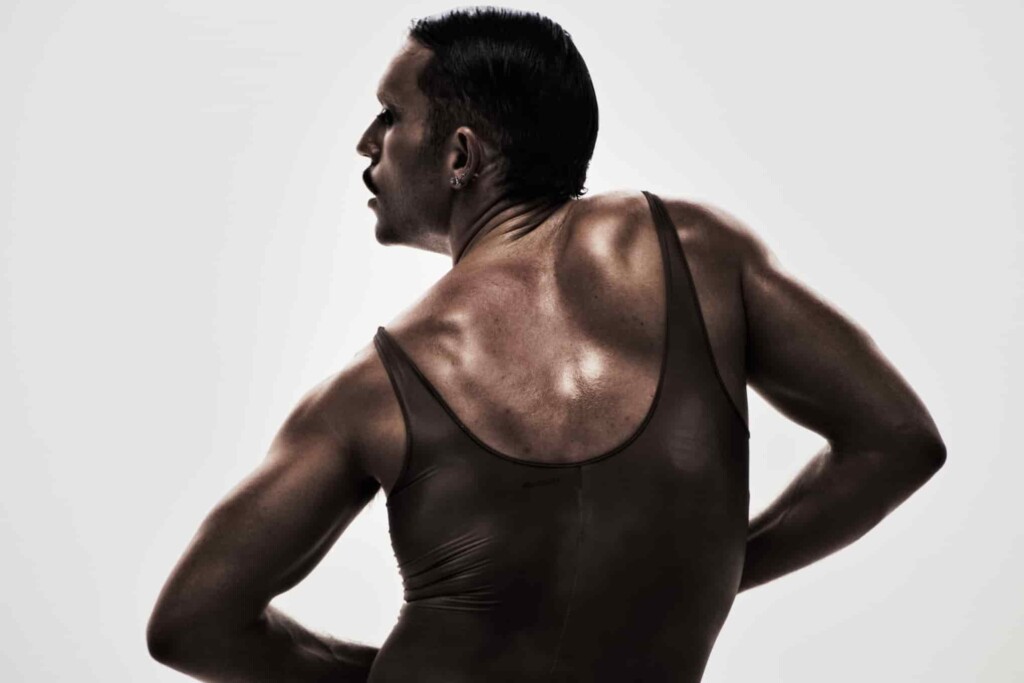
Jena Divol, as both choreographer and dancer, carried out extensive preparatory work to develop organic movements that precisely reflect each sound and musical texture.
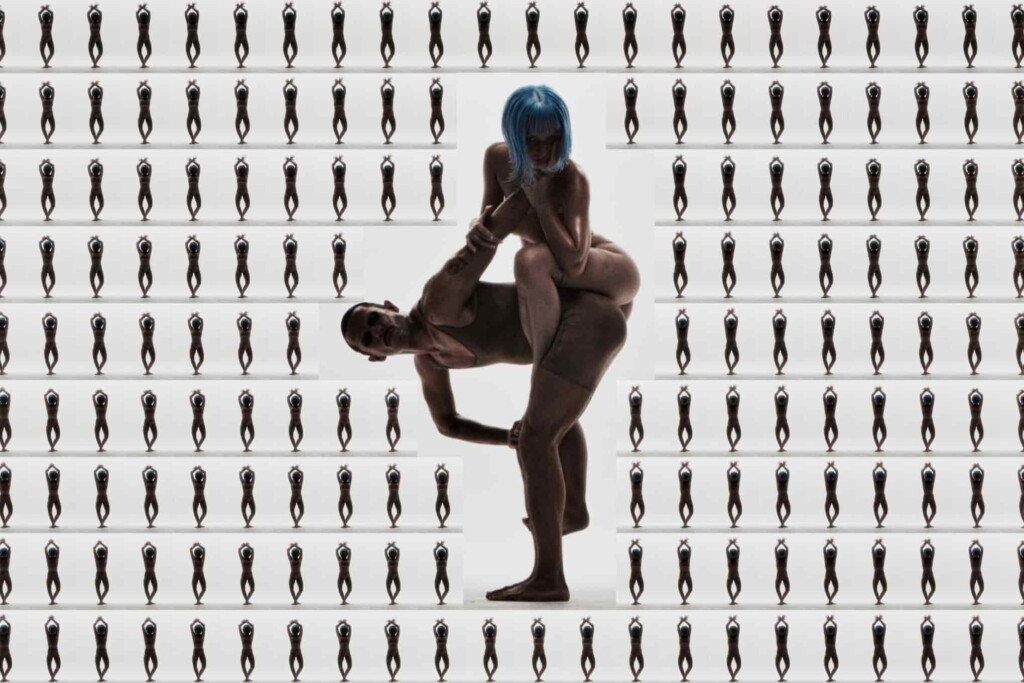
Finally, Lucas Mary led the editing process, which took more than a week to complete, as every movement, vignette, and mosaic sequence had to be edited independently, with each sound element isolated and treated individually.
From Concept to Execution
The project developed over a two-month period, guided by a clearly defined visual and thematic vision from the outset.
How long did it take to make it? What was the process (in short)?
Between the first meeting with Roso and final delivery, the project took approximately two months. From the beginning, Roso had a very clear vision centered around slime, dance, and bodies in motion enhanced by projections, all set within a techno futuristic universe.
From there, the process followed a fairly traditional production path. Once rehearsals were completed, refined, and approved, the project naturally moved into execution.
It was during post production that the team undertook a substantial amount of work, requiring significant time and precision to bring the vision to life.
Navigating Technical Complexity
The most demanding phase of the production emerged after the shoot, where budget constraints and intricate post-production requirements converged.
What challenges did you face while working on the video?
The main challenge lay in the budget, but even more so in the technical complexity of post production. For instance, each rush had to be color graded prior to editing to ensure clean and precise AI integration.
As mentioned earlier, the editing work was also a significant part of the process. The segmentation of the different sequences, sound layers, and sometimes even individual body parts, raised a key challenge: how to make these elements coexist on screen after allowing each to exist independently, and then reassemble them in precise alignment with the music.
This represented a substantial amount of work for Lucas Mary and Roso, requiring both technical precision and creative sensitivity to achieve the final composition.
Despite these challenges, the team remained extremely cohesive, united around a strong creative idea and a shared commitment to bringing it to life.
A Moment Where Matter and Movement Merge
When reflecting on a standout sequence, the focus shifts to a scene where material, bodies, and emotion converge.
What part of the video is your favorite?
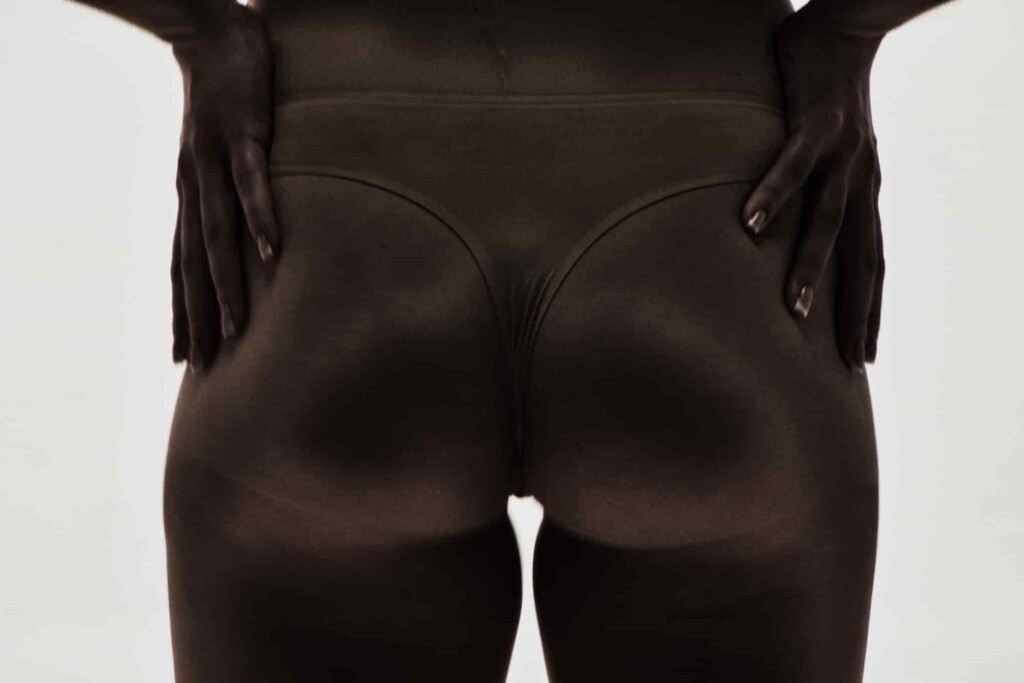
The sequence of bodies intertwining as slime flows over them carries a distinctly romantic quality, creating a diegesis that belongs uniquely to this film. The bodies dissolve into matter, texture, image, and the gloss of the slime itself.
Visually and graphically, this results in something strikingly powerful, where material and movement merge to form a singular cinematic language.
When Music Becomes Physical
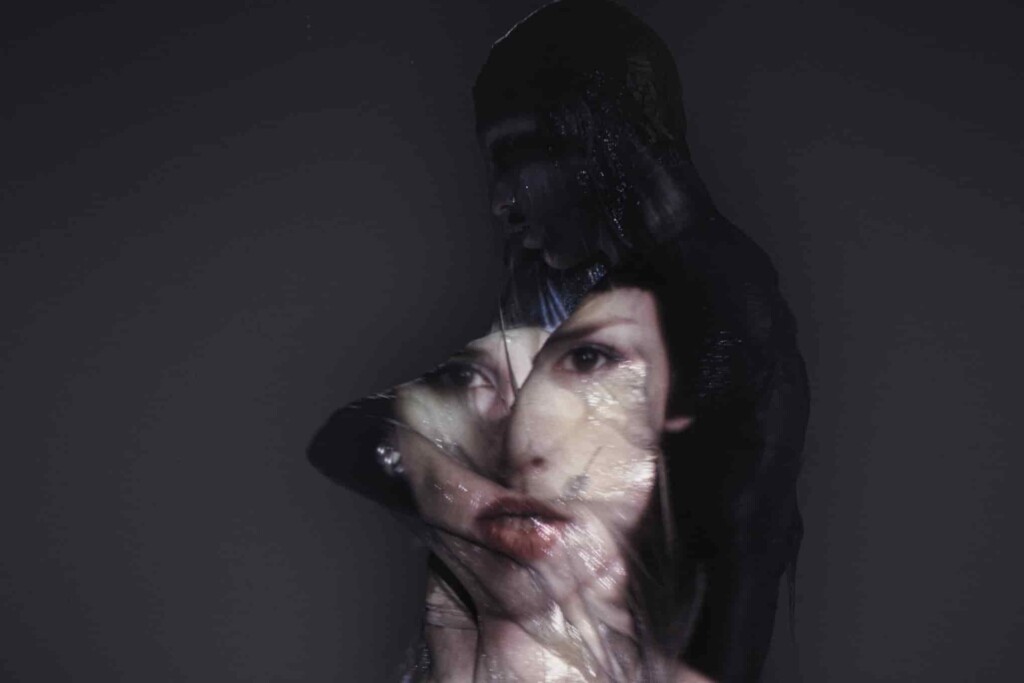
At its core, Losing Control is less about illustration and more about embodiment. Turning sound into something tangible.
Is there any message that the video is sending that you don’t want the viewer to miss?
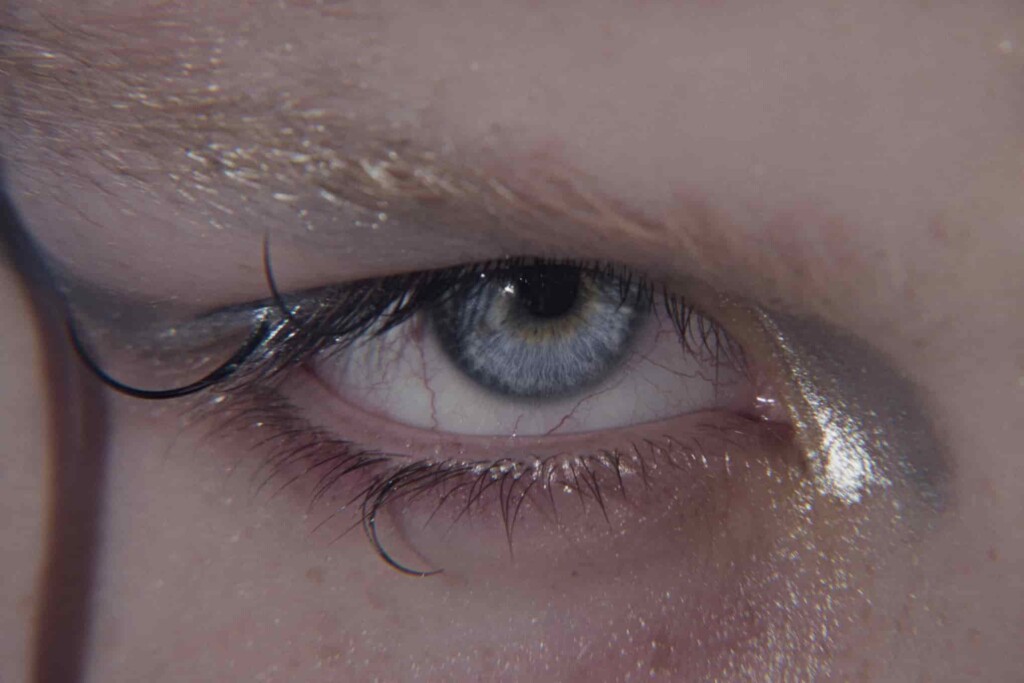
Losing Control offers a visual experience in which music takes physical form. The entire clip is shot in a studio, in a clean, minimal space that highlights the dancers filmed up close — their faces, their gestures, their breathing becoming the anchors of the visual narrative.
The choreography is crafted like a true musical score. Every movement aligns precisely with the rhythm, and each dancer embodies a specific sonic texture, echoing the spirit of Daft Punk’s Around the World. They don’t just follow the music, they become its building blocks.
Watch the music video below.
CREDITS
Directed by Roso https://www.instagram.com/roso.jtm/?h…
Production – Pelican ParisProducer : Anis Gabsi
Line producer : Maëva Jaouen
Production assistant : Océane Magne
Image
Director of photography : Maxime Hemery
1st camera assistant : Aurélien Desjardins
2nd camera assistant : Mathis Aguiar
1st assistant director : Marguerite Ozanne
Live grading operator : Simon Stewart
Lighting
Gaffer : David Jeune
Best boy : Antoine Revois, Ismael Duboys, Vivien Blum
HMC
Makeup artist & hair stylist : Pauline Scannapiéco
Hair stylist : Barbara Roniger
Set Decoration
Set designer : Pénélope Hémon
Dance
Choreographer : Jena Divol
Dancer : Valentin Beaufils
Postproduction
Editor : Lucas Mary
Assistant editor : Maé Bragnier
Colorist : Zoé Candito
VFX artist : Roso
Music
Composer, producer, author, performer : Belaria
Mixing engineer : Endrik Schroeder
Mastering engineer : Le Dom
Label : Binding System
Management : Grand Musique Management
Thanks to Rodéo Drive Studio, Heroes Studio, Le Pack, Les Décors Papillons